The Truths About OCD Therapy in Austin That Most People Don’t Know
What It’s Really Like to Work With an OCD Therapist in Austin
If you’re searching for an OCD therapist in Austin, you’re probably looking for more than just a name on a directory. You may be wondering what OCD therapy actually looks like, whether it works, and whether it’s worth the time and emotional investment.
I want to shed some light on what it’s really like to work with an OCD therapist in Austin—specifically, what I wish more people knew before starting treatment. I’ve written elsewhere about how to find the right OCD therapist, but this post focuses on what happens once you’re actually in the room.
Truth #1: OCD Therapy in Austin Is Not Just Aimless Talking

ERP with an OCD therapist in Austin is anything but aimless. We’ll follow a tried-and-true plan back by decades of research.
Many people imagine therapy as lying on a couch, talking in circles, and leaving with more questions than answers. If you’ve hesitated to start therapy because you’re worried about wasting time or money, that makes sense.
But OCD therapy—when done correctly—is not vague, passive, or unstructured.
As an OCD therapist in Austin, I provide Exposure and Response Prevention (ERP), the gold-standard, evidence-based treatment for OCD. ERP is structured, intentional, and collaborative. There is a clear beginning, middle, and end.
ERP involves gradually and systematically facing feared thoughts, sensations, or situations while resisting the urge to engage in compulsions. This allows your nervous system to learn—through experience—that anxiety can rise and fall on its own, and that feared outcomes don’t materialize in the way OCD predicts.
This is not about “talking things out” endlessly. It’s about learning new responses and building tolerance for discomfort in a very intentional way.

Working with an OCD therapist in Austin has a clear beginning, middle, and end. You will be able to see the finish line.
Truth #2: OCD Therapy in Austin Does Not Have to Be a Lifelong Commitment
One of the most common concerns I hear is: “If I start therapy, am I signing up for this forever?”
With OCD treatment, the answer is usually no.
ERP is typically time-limited, averaging about 17–20 sessions. If we meet weekly, that’s roughly four to five months—not years of open-ended therapy.
Toward the end of treatment, we shift focus toward maintenance and relapse prevention. You’ll learn how to spot early warning signs, respond skillfully when OCD flares up, and trust your ability to handle future challenges.
The goal of working with an OCD therapist in Austin isn’t dependence—it’s independence.
Truth #3: Your Obsessive Thoughts Don’t Mean Anything About You
One of the most painful parts of OCD is the belief that your thoughts reveal something awful about who you are.
Many people come into therapy worried that their thoughts are dangerous, immoral, or indicative of some hidden truth. ERP takes a very different stance.
Thoughts are mental events. That’s it.
Every human brain produces intrusive thoughts. What makes OCD different is not the content of the thoughts, but the reaction to them. OCD targets what you care about most—your values, relationships, identity—and injects doubt right there.

ERP therapy in Austin helps you learn to observe your obsessive thoughts without reacting to them.
People with OCD are often deeply distressed because their thoughts go against who they are. In psychological terms, these thoughts are ego-dystonic, meaning they are inconsistent with one’s values and self-concept. That’s actually part of how OCD is diagnosed.
ERP doesn’t try to analyze or neutralize thoughts. Instead, it helps you practice allowing them to exist without engaging, fixing, or seeking reassurance.
Truth #4: We Don’t Need to Know What Caused OCD to Treat It
Many people assume that therapy requires uncovering the root cause of OCD. In reality, what started OCD and what keeps it going are often very different things.
We don’t fully understand what causes OCD. Genetics, brain chemistry, and environmental factors likely all play a role. But identifying a cause is not necessary for recovery.
What matters is understanding the patterns that maintain OCD in the present, such as:
“If I don’t do my compulsion, this anxiety will never end.”
“Thinking about something is the same as doing it.”
“If I don’t prevent harm, I’m responsible.”
“I need certainty before I can move on.”
ERP works by helping you test these beliefs in real life. Over time, your brain learns—through experience—that these assumptions don’t hold up.

The future is uncertain for all of us. Working with an OCD therapist in Austin helps make this more palateable.
Truth #5: Successful OCD Therapy Is About Learning to Tolerate Uncertainty
OCD is often called the doubting disorder. At its core is an intolerance of uncertainty and a desperate need for reassurance.
Successful treatment is not about proving that your fears will never come true. If reassurance worked, OCD wouldn’t persist.
Instead, ERP helps you practice living with uncertainty—something all humans must do, whether they realize it or not. You learn to have the thought, feel the discomfort, and still move forward with your life.
You don’t eliminate uncertainty. You build a different relationship with it.
Working With an OCD Therapist in Austin
Working with an OCD therapist in Austin should feel structured, transparent, and purposeful. You should understand why you’re doing what you’re doing and how it moves you toward your goals.
ERP is not about forcing yourself through fear—it’s about learning that fear doesn’t get to run your life.
If you’re exploring treatment options and want to learn more about OCD therapy in Austin, you can visit my OCD service page or reach out to learn whether this approach might be a good fit for you.
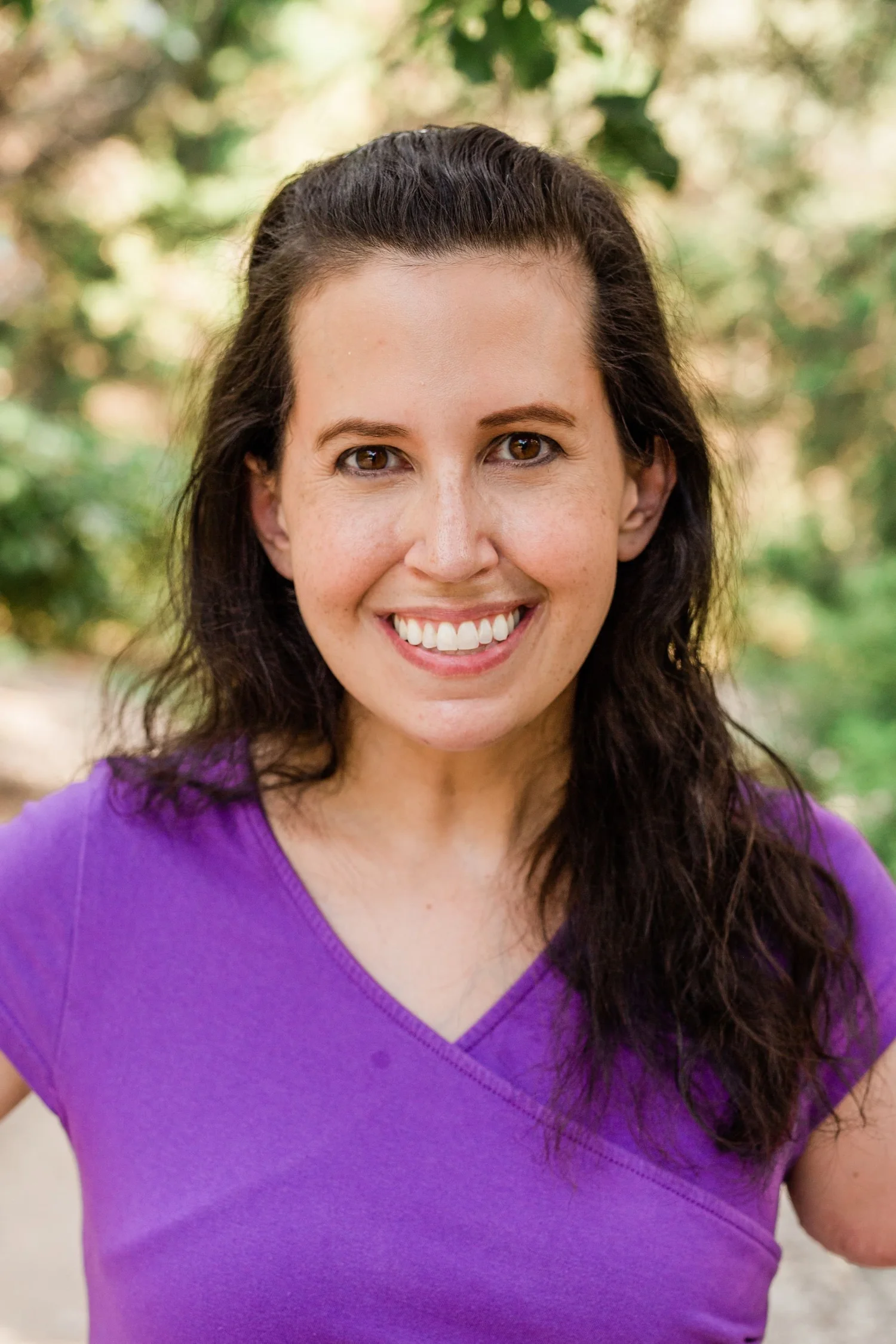
Jessica Fink, LCSW-S is a licensed clinical social worker in Texas and the owner of Jessica Fink LCSW PLLC.
Jessica helps people who are highly anxious, disciplined, and exhausted from holding everything together. Many of her clients struggle with sleep issues, chronic pain, PTSD, OCD, or rigid patterns of overcontrol. Her work is structured, goal oriented, and data informed, with a clear focus on creating real change so life can feel freer, lighter, and less encumbered by your own mind.
She specializes in OCD therapy, sleep focused therapy, and Radically Open DBT. You can learn more about her approach on the About page.