Sleep Disorders CEU Course for Texas Therapists
Behavioral Interventions for Sleep Disorders: What Can Therapists Offer?
Go beyond generic sleep hygiene advice. Learn how to recognize common sleep disorders and use practical, evidence-based behavioral interventions that are within your scope of practice as a therapist.
3 CE hours • Self-paced and on demand • One year of access • $75
For Texas social workers, LPCs, LMFTs, and psychologists
Hours count toward Texas’s 50% rule - Instructor is council-approved supervisor
Practical Sleep-Disorder Training—Not Just Sleep Hygiene
Sleep concerns arise frequently in therapy, but many mental health professionals receive little formal training in differentiating sleep disorders. As a result, insomnia, circadian rhythm disorders, nightmares, sleep apnea, and hypersomnia can be mistaken for one another—or addressed with general sleep hygiene recommendations that do not address the underlying problem.
This course introduces therapists to the clinical reasoning behind behavioral sleep medicine. You’ll learn how to recognize common sleep disorders, identify when additional testing or referral is appropriate, and use selected behavioral interventions within your professional role.
Practical Skills Covered
By the end of the course, you will be better prepared to:
Ask targeted questions that help distinguish among common sleep disorders
Understand and apply foundational CBT-I strategies
Introduce behavioral interventions for recurring nightmares
Recognize circadian rhythm problems and understand the role of appropriately timed light
Help clients identify and address behavioral barriers to PAP/CPAP use
Make more informed recommendations when a client may need medical evaluation, sleep testing, or specialized treatment
This is an introductory behavioral sleep medicine course, not a CBT-I certification program or comprehensive training in any single treatment protocol.
What Your $75 Enrollment Includes
Three hours of on-demand video instruction
Downloadable course slides and handouts
A knowledge assessment
A certificate documenting 3 continuing education hours
One year of course access
The ability to pause, revisit, and rewatch the material on your own schedule
There are no prerequisites, and no previous training in sleep medicine is required.
What You’ll Learn: Seven Course Modules
The three-hour training is divided into seven modules that you can complete at your own pace.
Module 1: Biology of Sleep
Understand the two-process model of sleep, sleep drive, circadian rhythms, sleep stages, and normal sleep architecture.
Module 2: Sleep Hygiene, Naps, Time Management, and Sleep Studies
Learn where sleep hygiene fits—and where it does not—when treating sleep disorders. Explore the effects of naps and insufficient sleep opportunity, what sleep studies measure, and when medical evaluation may be appropriate.
Module 3: Insomnia
Learn how insomnia develops and persists, how it differs from occasional poor sleep, and the foundational behavioral principles behind cognitive behavioral therapy for insomnia (CBT-I).
Module 4: Nightmares
Understand Nightmare Disorder and learn behavioral approaches that can reduce nightmare frequency and distress.
Module 5: Circadian Rhythms and Circadian Rhythm Disorders
Learn how the circadian system regulates sleep timing, how circadian rhythm disorders differ from insomnia, and how appropriately timed light can shift the sleep-wake cycle.
Module 6: Sleep Apnea
Recognize common signs of sleep apnea, understand the role of sleep testing and PAP treatment, and learn ways therapists can help clients address behavioral barriers to PAP/CPAP use.
Module 7: Hypersomnia
Learn about narcolepsy and idiopathic hypersomnia, how excessive sleepiness differs from fatigue, and when a client may need specialized sleep evaluation.
What People Are Saying
"I am a psychotherapist with 34 years of experience, and I wouldn't change a thing about this presentation. I took pages of notes, and I am motivated to learn more. It was fantastic."
“The information broadened my understanding of sleep disorders versus mental health concerns.”
“I learned what questions to ask to assess for sleep disorders and to make competent suggestions for further testing.”
“Jessica managed to make it engaging even though she basically talked alone for 2.75 hours.”
About the Instructor
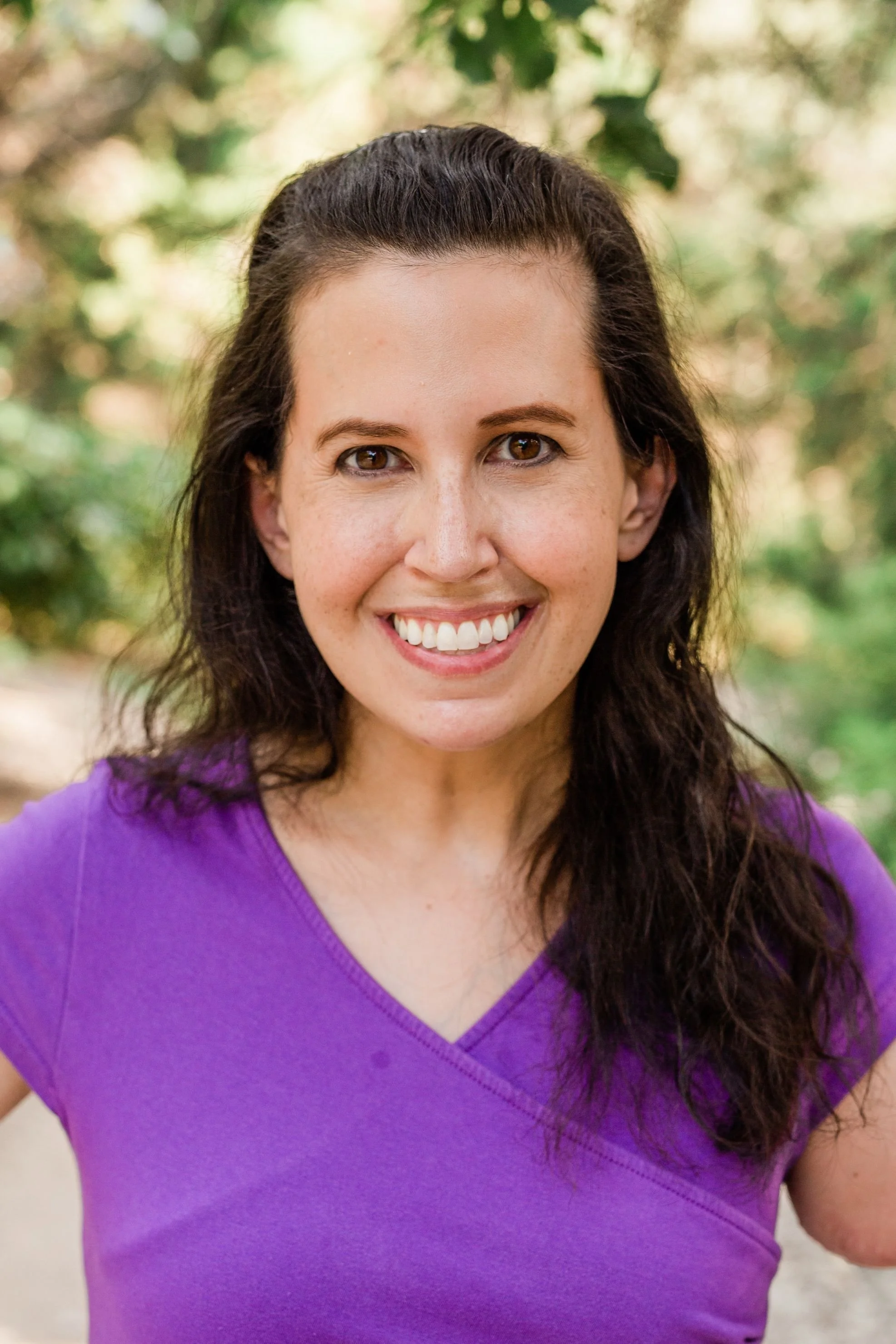
Jessica Fink, LCSW-S, is a Texas-licensed clinical social worker and board-approved supervisor who has practiced since 2007. Her clinical work specializes in behavioral sleep medicine: the nonpharmacological assessment and treatment of sleep disorders.
Jessica has completed advanced training in cognitive behavioral therapy for insomnia (CBT-I), cognitive behavioral therapy for nightmares (CBT-N), cognitive behavioral therapy for hypersomnia (CBT-H), circadian rhythm disorders, and PAP adherence. She is a member of the American Academy of Sleep Medicine and the Society of Behavioral Sleep Medicine.
In addition to treating clients with sleep disorders, Jessica teaches other mental health professionals how to recognize sleep disorders, understand the available behavioral treatments, and make better-informed clinical recommendations. She has presented behavioral sleep training for the University of Houston’s social work program and the Network of Behavioral Health Providers.
Jessica Fink, LCSW-S
Texas License #50905
Not Sure When a Sleep Study Is Necessary?
Download the free Therapist's Guide to Sleep Studies.
FAQs
-
No. This is an introductory behavioral sleep medicine course covering multiple sleep disorders. It does not provide certification or comprehensive training in any single treatment protocol.
-
No. The course begins with foundational information about sleep biology and is designed for mental health professionals who have not received formal training in sleep disorders.
-
Yes. Participants who satisfy the completion requirements receive a certificate documenting 3 continuing education hours for Texas social workers, LPCs, LMFTs, and psychologists. The course is provided by Jessica Fink, LCSW-S, a Texas licensee with board-approved supervisor status, one of the provider types recognized under the Texas Behavioral Health Executive Council’s 50% rule. BHEC does not pre-approve individual courses or providers.
-
You will be better prepared to recognize common sleep disorders, determine when referral or additional evaluation may be appropriate, and use selected behavioral interventions within your professional role. These include screening questions, foundational CBT-I strategies, nightmare interventions, circadian rhythm and light strategies, and support for PAP/CPAP adherence.
-
Participants must complete all course modules, pass the knowledge assessment, and submit the course evaluation. Thinkific then generates the certificate of completion automatically.
-
Enrollment includes one year of access. During that time, you can pause, revisit, and rewatch the course lessons.
Ready to Better Understand the Sleep Problems You See in Therapy?
Learn to recognize common sleep disorders, make more informed referrals, and use selected evidence-based behavioral interventions within your professional role.
Enroll for $75 and complete the seven self-paced modules anytime during your one year of access.